What LEGO's Recent Campaigns Reveal About the Future of Brand Marketing
Over the past year, LEGO has appeared in some unexpected places.
The company partnered with Essence to explore the role of play in the lives of Black women. U.S. Men's National Soccer Team captain Tim Ream shared how building LEGO sets helps him manage stress and maintain focus. The brand has also expanded collaborations with organizations such as FIFA and Nike, placing itself within conversations about community, creativity, movement, and self-expression.
At first glance, these initiatives seem unrelated. They target different audiences, address different experiences, and exist within entirely different cultural spaces. One focuses on wellness, another on sports, and another on identity and creativity.
Yet when viewed together, they reveal something much larger than a collection of marketing campaigns.
They reveal a brand that has fundamentally changed how it positions itself in the world.
LEGO is no longer marketing itself primarily as a toy company. Instead, it is increasingly positioning itself as a creativity company, using creativity as a lens through which it can participate in conversations about well-being, connection, personal growth, and culture.
That distinction may seem subtle, but it represents one of the most significant shifts a brand can make.
LEGO's Evolution from Toy Company to Creativity Company
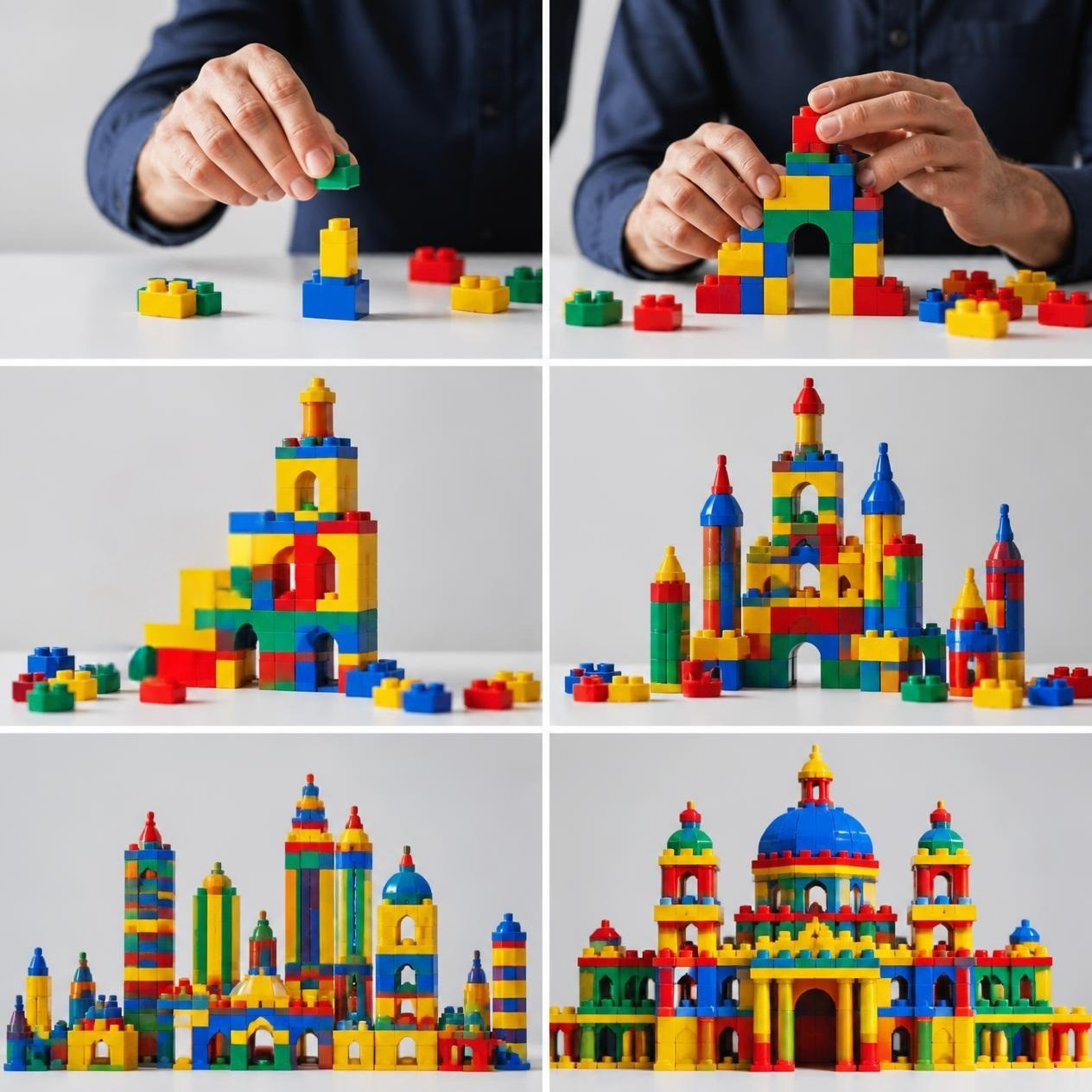
For much of its history, LEGO's value proposition was straightforward. The company created products that encouraged children to build, imagine, and create. Its marketing focused on the experience of construction and the endless possibilities that came from combining a handful of colorful bricks.
While that foundation remains intact, the company's modern marketing suggests a broader ambition.
Today's LEGO is not simply interested in what people build. It is increasingly interested in what creativity enables.
Creativity can help people reconnect with their imagination. It can create opportunities for self-expression, strengthen relationships, improve focus, and provide a sense of accomplishment. By expanding the conversation beyond the product itself, LEGO has expanded the relevance of its brand.
This evolution has allowed the company to move into spaces that would have once seemed disconnected from its core business. A toy company has limited opportunities to participate in conversations about mental wellness, identity, community, and personal development. A creativity company, however, can enter those conversations naturally because creativity already sits at the center of each one.
That shift becomes especially clear when examining the common thread running through LEGO's recent partnerships and storytelling efforts.
The Common Thread Behind LEGO's Recent Campaigns
One of the clearest examples of LEGO's evolving strategy can be seen in its collaboration with Essence. Rather than focusing on products, the partnership explored the role of play in the lives of Black women and the ways creativity can support joy, restoration, and self-expression.

The conversation challenged a common assumption that play belongs primarily to childhood. Instead, it positioned play as something valuable throughout adulthood—a source of renewal, imagination, and personal well-being. LEGO wasn't asking audiences to think differently about building sets. It was asking them to think differently about the role creativity plays in everyday life.
A similar pattern emerged in the story featuring U.S. soccer captain Tim Ream. In discussing how he uses LEGO to manage stress and improve focus, Ream wasn't highlighting the product's features. He was describing a personal experience. The story positioned building as a mindful activity that helps create moments of concentration and calm in an otherwise demanding environment.
Although the audiences and contexts differ considerably, the underlying message remains remarkably consistent. Creativity is presented not as entertainment alone but as a tool that contributes to overall well-being.
The same strategic thread extends into LEGO's partnerships with FIFA. Sports are ultimately about more than competition. They create communities, shared identities, traditions, and emotional connections that bring people together. Through these collaborations, LEGO becomes part of how fans celebrate and express their passion for the game. The focus is not soccer itself, but the sense of belonging and connection that sports can create.
Its work with Nike follows a similar logic. For decades, Nike has positioned itself around human potential, self-expression, and achievement. The partnership works because both brands operate within complementary emotional territories. While their products differ dramatically, both companies increasingly focus on helping people explore what they are capable of creating, achieving, and becoming.
Viewed separately, these campaigns may appear disconnected. Viewed together, they reveal a brand expressing the same belief through multiple cultural lenses.
Whether the conversation centers on joy, mindfulness, community, or personal growth, the message remains consistent: creativity has the power to improve people's lives.
Why This Strategy Works
One reason LEGO's recent marketing resonates is that it rarely begins with the product.
Instead, it begins with experiences people already care about.
Most consumers are not actively searching for a building set on any given day. They are, however, thinking about stress, connection, creativity, identity, purpose, and personal growth. By participating in those conversations, LEGO creates relevance that extends beyond the transaction itself.
This approach reflects a broader shift occurring across modern marketing. Consumers increasingly gravitate toward brands that stand for something larger than what they sell. They want to understand a company's perspective, values, and role in the world. Products still matter, but products alone rarely create lasting emotional connections.
Some of the most recognizable brands have long understood this principle. Nike's most memorable campaigns have rarely been about shoes. Apple's marketing has historically focused less on technology and more on creativity and innovation. Patagonia built much of its reputation by connecting outdoor products to environmental stewardship.
LEGO appears to be following a similar path.
By anchoring its marketing in the broader idea of creativity, the company has created a platform that allows it to participate in a wide range of conversations without losing consistency. The stories may change, but the underlying belief remains the same.
That consistency is what makes the strategy effective.
What Entrepreneurs Can Learn from LEGO's Brand Transformation
Many entrepreneurs approach content creation by focusing almost exclusively on their products, services, and offers. While those elements are important, they often represent only a small part of what makes a brand meaningful.
The more valuable question is not what a business sells, but what it ultimately helps people achieve, experience, or become.
LEGO's recent campaigns work because they are rooted in a belief rather than a product category. The company understands that its relevance extends beyond toys and into the broader impact creativity can have on people's lives.
Entrepreneurs can apply the same principle to their own brands.
When a business has clarity around its core belief, content becomes easier to create because it is no longer limited to discussing services or promotions. Instead, the brand can participate in larger conversations that naturally connect to the outcomes it helps create.
For some brands, that conversation may revolve around confidence. For others, it may be about freedom, leadership, innovation, sustainability, or connection.
The specific topic matters less than the consistency behind it.
People may initially discover a business because of what it sells. They often remember it because of what it stands for.
Final Thoughts
LEGO's recent work with Essence, FIFA, Nike, and stories like Tim Ream's reveal more than a series of successful marketing campaigns. Together, they illustrate what happens when a company expands beyond its product category and builds its brand around a larger idea.
The company's success is not rooted in finding new ways to talk about building sets. It is rooted in finding new ways to explore the value of creativity.
That distinction has allowed LEGO to participate in conversations about wellness, culture, community, identity, and personal growth while remaining remarkably consistent in its positioning.
For brands seeking stronger visibility and deeper connection, there is an important lesson in that approach.
The most effective marketing does not begin with what you sell.
It begins with what you believe.
And the brands that create lasting impact are often the ones that find meaningful ways to express that belief across every story they tell.